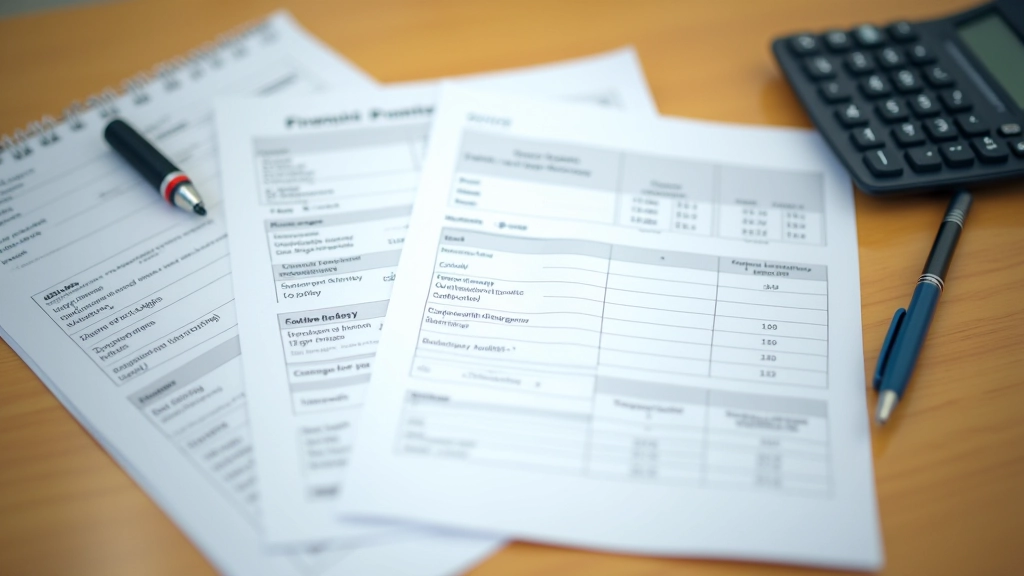

Reading Your CLP and HK Electric Bills Correctly
Learn how to decode tariff structures, identify peak and off-peak charges, and spot unusual consumption patterns on your monthly statement.
Plan ahead for seasonal cooling cost spikes. We’ll show you how to estimate summer bills and implement strategies that keep your home cool without breaking the bank.

If you’ve ever opened your summer electricity bill and felt a jolt, you’re not alone. Most Hong Kong households see their cooling costs jump 40-60% during the humid season — and that’s without any changes to how they use their air conditioner.
The thing is, these spikes aren’t random. They’re driven by specific factors: outdoor temperature, humidity levels, and how your AC system responds to the conditions outside. When you understand what’s happening, you can plan for it instead of being surprised.
This guide walks you through estimating your summer costs realistically and implementing practical changes that actually work. You’ll learn what to expect from CLP or HK Electric, how consumption patterns shift seasonally, and which adjustments save the most money without sacrificing comfort.
Quick fact:
Air conditioning accounts for 50-70% of summer electricity use in Hong Kong homes. Small changes to thermostat settings or operating hours can reduce bills by HK$200-500 per month.
Summer cooling costs aren’t just about outdoor temperature. They’re shaped by several overlapping factors that create those big bill spikes you see from May through September.
Peak demand pricing is one piece. During summer months, CLP and HK Electric charge higher rates during peak hours (typically 9am-9pm) because everyone’s AC is running. Your consumption jumps, yes, but the rates you’re paying per unit also climb. That’s the double effect that catches people off guard.
Humidity makes it worse. Hong Kong’s summer humidity can reach 90%+ in July and August. Your AC works much harder to cool air that’s already saturated with moisture. The unit runs longer, uses more electricity, and you’ll notice it in the bill.
40-60%
Typical summer cost increase
5 months
Peak season duration (May-Sept)
26-28C
Outdoor temp during peak

You can predict your summer costs pretty reliably if you know a few numbers from your past bills. Don’t guess — use actual data.
Start with your spring bills (March-April). Find your typical daily consumption in kWh — you’ll see this on your CLP or HK Electric statement. Most 3-bedroom flats use 20-35 kWh on an average spring day. Summer consumption jumps to 40-60 kWh for the same space, sometimes higher if you’re cooling multiple rooms all day.
Next, check what you paid per unit. Your tariff changes seasonally. Summer rates (May-September) are higher than winter rates. CLP’s 2026 summer tariff runs roughly HK$1.10-1.25 per kWh depending on your plan and consumption tier. HK Electric varies slightly but similar range.
Simple math: If you use 50 kWh daily in summer at HK$1.15 per unit, that’s HK$57.50 per day, or roughly HK$1,725 per month for electricity alone. Add gas heating if you use it, and you’re looking at a real household utility bill. Planning for that prevents shock when the bill arrives.
Expected Summer Bill = (Daily kWh 30) Summer Tariff Rate
Add 10-15% buffer for peak month surcharges (July-August) and usage variance.
Reducing summer cooling costs doesn’t mean suffering through heat. These strategies are about working smarter with your AC, not just running it less.
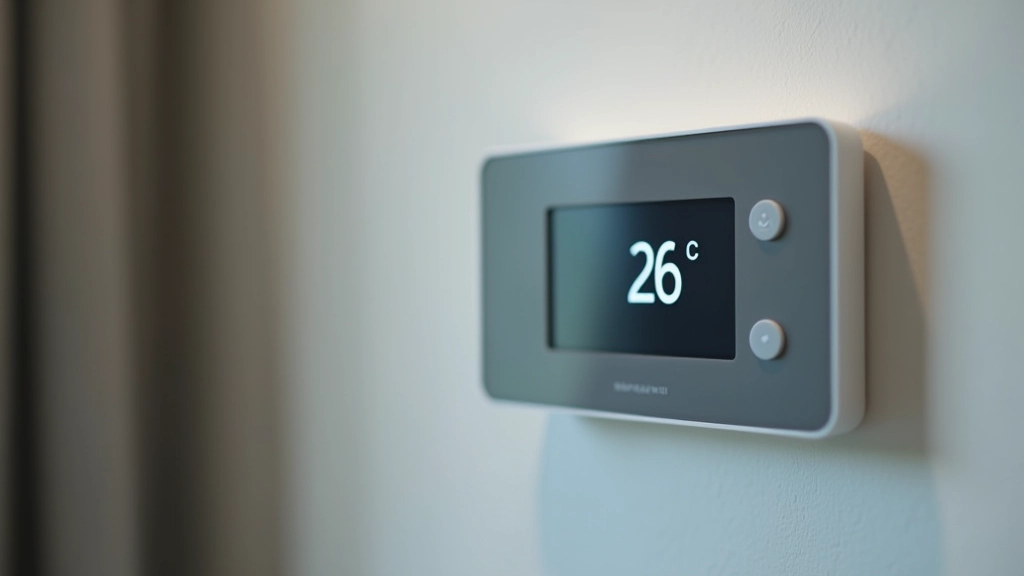
Every degree lower increases consumption by roughly 8-10%. Moving from 24C to 26C cuts cooling costs by 15-20% while staying comfortable. You’ll adjust within days.
CLP and HK Electric charge less (typically HK$0.70-0.80/kWh) from 9pm-9am. Running AC during these windows and cooling naturally during day saves 20-30% on cooling costs.
Cool only occupied spaces. Closing vents and doors to empty bedrooms reduces the volume your AC needs to handle. You’re paying to cool air that nobody’s in.
Clogged filters force your AC to work harder. Clean filters improve efficiency by 5-10%. Takes 10 minutes and saves money monthly.
Direct sunlight heats your apartment, forcing AC to work harder. Thermal window film or cellular shades block 40-50% of heat. One-time cost saves money every summer.
Professional cleaning of coils and refrigerant check ensures your unit operates at peak efficiency. Poorly maintained units use 15-25% more electricity.
Let’s walk through what this looks like in actual numbers. Say you’re in a 3-bedroom apartment in Kowloon. Your baseline summer usage is 50 kWh daily at the current CLP summer rate of HK$1.15/kWh.
Without changes: 50 kWh 30 days HK$1.15 = HK$1,725 per month just for AC.
Now you implement these strategies. Thermostat moves to 26C (saves 15%). You close unused bedrooms (saves 10%). You clean filters monthly (saves 5%). Combined, you’re reducing consumption by about 30%, down to 35 kWh daily.
New calculation: 35 kWh 30 days HK$1.15 = HK$1,207.50 per month. That’s a monthly saving of HK$517.50, or over HK$2,500 for the five-month season. Plus you shift some usage to off-peak hours, saving another 10-15% on rates.
Realistic seasonal saving: HK$3,000-3,500 with consistent effort.
Hong Kong’s government occasionally introduces electricity rebate schemes during summer months to help households manage costs. These aren’t permanent, but they’re worth checking for.
The Electricity Charge Rebate Scheme (when active) provides direct rebates on bills for eligible households. Eligibility typically depends on income level and household size. Check the government’s official energy efficiency website or your CLP/HK Electric bill for announcements.
Beyond rebates, the government’s Energy Efficiency Label scheme helps you identify more efficient AC units if you’re replacing an old system. Newer inverter-type air conditioners use 30-40% less electricity than older units. It’s a bigger upfront cost, but savings compound over 8-10 years of use.
Pro tip: Check CLP’s and HK Electric’s websites in April-May each year for any announced rebate programs. Sign up early — funds sometimes run out by July.
Summer cooling cost spikes aren’t surprises if you plan for them. You’ve got the tools now: understand your baseline consumption, know the seasonal tariff rates, implement practical efficiency strategies, and watch for government rebate schemes.
Start in April or early May. Check your spring bills. Do the math. Make one or two changes first — thermostat adjustment and filter cleaning are easiest. See the impact on your June bill. Then add more strategies as you go.
You won’t eliminate summer costs entirely, but you can absolutely reduce them by 20-30% without sacrificing comfort. That’s real money in your pocket, and it starts with a little planning.
This article provides educational information about understanding and managing summer cooling costs in Hong Kong. Specific tariff rates, rebate schemes, and electricity costs mentioned are based on 2026 data and are subject to change. Please verify current rates directly with CLP or HK Electric before making financial decisions. Government rebate schemes vary by year and eligibility. Actual savings depend on your individual circumstances, equipment age, usage patterns, and local weather conditions. This is informational content, not financial advice. Consult with energy professionals or your utility provider for personalized recommendations.