Towngas vs Alternative Gas Suppliers: Cost Comparison
Breaking down gas supply options available to Hong Kong households. We compare Towngas with alternative suppliers to help you understand pricing differences.
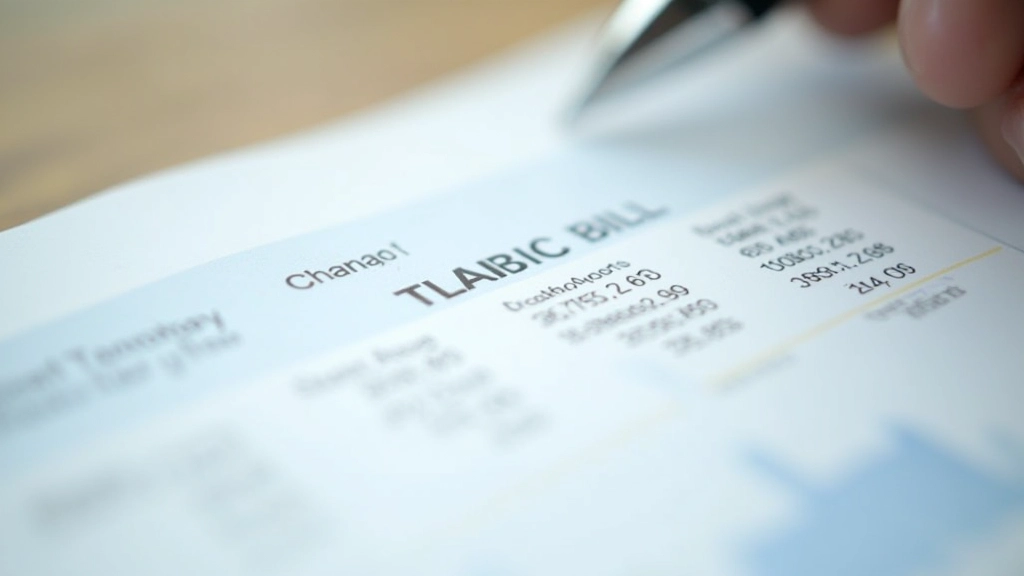
Learn how to decode tariff structures, identify peak and off-peak charges, and spot billing errors that could be costing you money.

Your electricity bill isn’t designed to be easy. It’s dense, it’s technical, and honestly it’s deliberately complex. CLP and HK Electric use tiered pricing structures that change throughout the year. You’ve got peak charges, off-peak charges, and seasonal adjustments all mixed together. Most people just pay without looking.
But here’s the thing — understanding your bill gives you real power. You’ll spot mistakes before you pay them. You’ll see where you’re actually spending money. And you’ll know exactly what behaviors to change if you want to cut costs. That’s what we’re covering today.
The good news? It’s not rocket science. Once you know where to look and what each section means, it all makes sense.

This is where most people get confused. CLP and HK Electric don’t charge the same rate all day. They charge more during peak hours and less during off-peak hours. Peak hours are typically weekdays from 9am to 9pm. Everything outside that is off-peak — nights, early mornings, and weekends.
Your bill shows these separately. You’ll see a line item for “Peak consumption” with one rate per kilowatt-hour, and “Off-peak consumption” with a lower rate. The peak rate is usually about 50% higher than the off-peak rate. If you run your AC heavily during the day, you’re paying premium prices. If you can shift usage to evenings and nights, you save money.
Here’s what makes it tricky — the rates change seasonally. Summer months have higher peak rates because demand is higher. Winter rates are lower. This is why your bill in July costs more than your bill in January even if you use the same amount of electricity.
After the consumption numbers, you’ll see several line items. Don’t skip these. They’re where errors hide.
This is your consumption multiplied by the tariff rate. Most of your bill comes from here. Double-check the consumption numbers match your meter reading if you have access to it.
You pay this every month whether you use electricity or not. It covers network maintenance and meter reading. It’s typically HK$30-50 depending on your apartment size.
This fluctuates based on global fuel prices. It’s added to your bill as a percentage of the energy charge. You can’t control this, but you can understand it’s temporary and not part of the base tariff.
This covers the utility’s lease payments for public land. It’s mandatory and varies slightly by region. Another line you can’t change but should understand.
Mistakes happen. Sometimes they’re the utility’s fault, sometimes they’re system errors. Either way, they’ll cost you if you don’t catch them.
Your bill should say “Actual meter reading” at the top. If it says “Estimated”, the utility guessed your usage. This happens when meter readers can’t access your apartment. You can request an actual reading by contacting CLP or HK Electric directly. Estimated bills are often higher than reality.
Check the dates. Your billing period should be about 30 days. If it’s 35 days, you’re being charged for extra days. If it’s 25 days, something’s wrong. This is easy to overlook but happens more often than you’d think.
Compare this month’s starting meter reading with last month’s ending reading. They should match exactly. If the current month’s starting reading is lower than last month’s ending, there’s an error. This can result in phantom charges or credit you didn’t earn.
Your account should have the correct tariff code for your building type. Residential gets different rates than commercial. Check that your bill shows “Residential” tariff, not something else.
Understanding your bill is step one. Using that knowledge is step two. Once you see your peak-hour consumption and realize you’re running AC at full blast from 2pm-6pm every day, you know where to focus.
Small changes add up. Raising your AC by 2 degrees during peak hours saves roughly 5-8% of your cooling costs. That’s HK$100-200 per month in summer. Running your washing machine in the evening instead of morning costs less per load. These aren’t huge sacrifices, but they compound over time.
Keep your bills for three months. Plot your consumption and charges. You’ll see patterns. You’ll understand your baseline. Then you can set targets and actually measure progress instead of guessing.

Your electricity bill isn’t mysterious once you break it down. Peak and off-peak rates are the biggest factor. Multiple charge types add up but they’re all explainable. Errors do happen, so verify the basics each month — actual vs estimated readings, billing period length, meter reading continuity.
That knowledge becomes power when you adjust your behavior. You’ll save money, reduce waste, and actually understand what you’re paying for instead of just accepting whatever number arrives in your inbox.
This article provides educational information about reading electricity bills and understanding tariff structures in Hong Kong. Tariff rates, billing procedures, and government charges change periodically. For the most current and accurate information specific to your account, please consult directly with CLP or HK Electric. This content is informational only and shouldn’t be considered financial or professional advice. Individual circumstances vary — your actual bills may differ based on your building type, location, and current rate schedules.