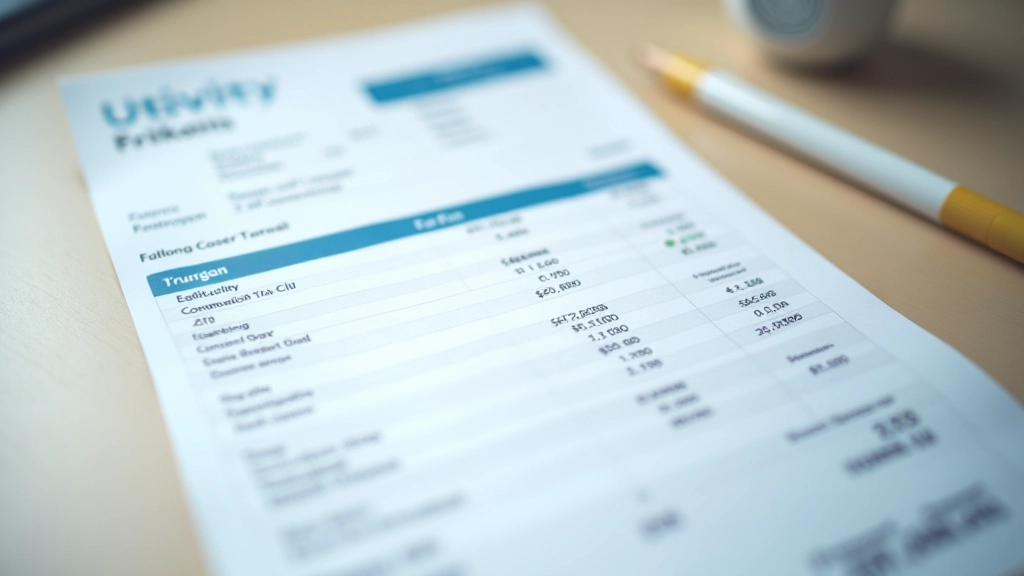
Reading Your CLP and HK Electric Bills Correctly
Learn how to decode tariff structures, identify peak and off-peak charges, and spot errors on your monthly bill.
Breaking down gas supply options available to Hong Kong households. We compare Towngas with alternatives to help you find the best rates for your needs.
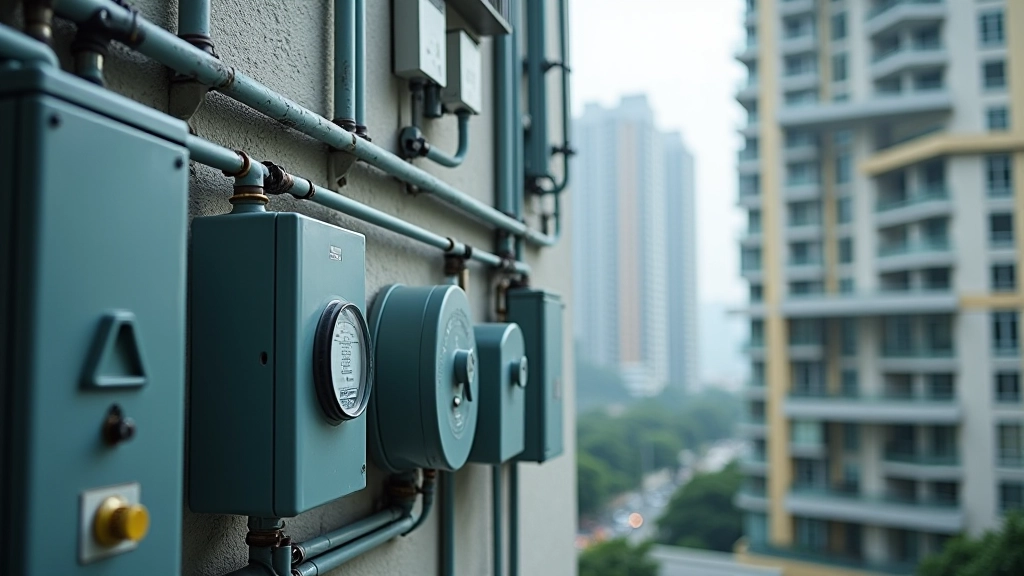

When it comes to household gas in Hong Kong, most people think there’s only one choice — Towngas. But that’s not entirely true. While Towngas dominates the market with over 1.9 million customers, alternative suppliers have started offering competitive rates and flexible plans. We’re breaking down what’s actually available, how the pricing works, and whether switching makes sense for your household.
The real question isn’t just “who’s cheapest?” It’s about reliability, customer service, contract flexibility, and whether you’ll actually save money after all factors are considered. Let’s dig into the details.
Towngas (Hong Kong and China Gas Company Limited) has been around since 1865. They’ve built an incredible infrastructure across Hong Kong, serving residential and commercial customers with natural gas and liquefied petroleum gas (LPG).
What makes Towngas the default choice? Reliability, mainly. They’ve got the network, the customer service centers, and decades of experience. Their pricing is transparent — you’ll see a clear tariff structure on your bill. But here’s the thing: because they’re the dominant player, their rates aren’t always the most competitive.
They’re regulated by the government, which means their rates get reviewed. It’s safe, it’s stable, but you don’t get much room to negotiate or find better deals.

You’ve probably heard about deregulation in other utilities, but Hong Kong’s gas market is different. There aren’t many true alternatives to Towngas in the residential space, but some options do exist depending on your location and building type.
Some newer residential developments have partnerships with alternative providers. Ener-Core and other smaller operators have started offering gas in certain areas. The catch? They’re not everywhere, and switching involves checking if your building’s infrastructure supports it.
Don’t expect massive price cuts. Alternative suppliers sometimes offer 5-15% savings on the usage charge, but you’ll need to factor in switching costs, new installation fees, and whether they even service your address.
Let’s talk numbers. A typical Hong Kong household uses about 15-25 cubic meters of gas per month. That’s cooking, water heating, and maybe some other appliances. Here’s how the math actually works out.
With Towngas, you’re looking at a monthly bill that includes a fixed charge (roughly HK$30-40) plus your consumption rate. Alternative suppliers typically have lower per-unit rates but sometimes higher fixed charges. The actual savings depend on your consumption level.
Annual savings? Maybe HK$120-240. That’s not nothing, but you need to compare it against switching fees, new meter installation (if required), and any contract terms. Sometimes Towngas is the simpler, more cost-effective choice when you factor everything in.


Here’s what people often overlook when comparing suppliers. Price is just one piece of the puzzle. You’ve also got to think about reliability, customer service response times, and contract flexibility.
Towngas has physical service centers throughout Hong Kong. You can walk in, pay your bill, report a problem, or get advice. Alternative suppliers? They’re often online-only. That might be fine if everything goes smoothly, but when you need help fast, it matters.
Towngas wins on accessibility. They’re everywhere. Alternatives require phone/online contact.
Most alternatives require longer-term contracts. Towngas is month-to-month, giving you flexibility.
Both are regulated and safe. But Towngas has longer operational history and more maintenance infrastructure.
Towngas serves most residential buildings. Alternatives available only in specific developments.
The honest answer? It depends on your situation. If you’re in a building served by a competitive alternative supplier and you consume a lot of gas, switching could save you money. But if you’re with Towngas already, you’re not necessarily overpaying by a huge margin.
Here’s a practical checklist: First, check if alternatives even service your address. Most buildings don’t have options. Second, calculate actual annual savings based on your consumption (check your last year of bills). Third, factor in switching costs and any new installation fees. Finally, consider convenience — do you prefer a supplier with local service centers or are you comfortable going online-only?
We’re not here to tell you to switch or stay put. We’re here to help you understand what’s actually available and what the real numbers look like. Make the decision that works for your household, not what looks best on paper.
This article is for informational purposes only. Prices, tariff structures, and supplier availability in Hong Kong change regularly. Before making any decisions about switching gas suppliers, we recommend contacting suppliers directly to confirm current rates and whether service is available at your address. Always review your existing contract terms with Towngas to understand any early termination fees. This content doesn’t constitute financial or contractual advice — consult directly with service providers for your specific situation.